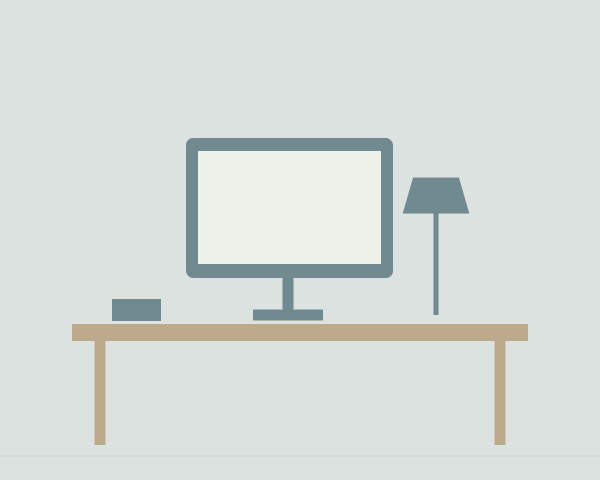
A workspace can feel busy even when its surface is technically clear. Screens, cables, paperwork, and small accessories all make claims on attention. Starting with one type of work can help you decide what the desk really needs.
Name the next task
Before reorganizing, choose an ordinary task: writing a page, reviewing a document, or making a sketch. Set out only the things that help with that activity. You may find that the desk needs fewer objects but a little more open surface.
Items for other tasks can stay nearby without occupying the working area. A drawer or shelf is useful when it lets you change modes without leaving everything out at once.
Reduce repeated friction
Notice the small interruptions that happen every day. Perhaps the charger falls behind the table or the notebook has no place to rest. Solve one recurring problem with an adjustment you can explain in a sentence.
A cable clip can keep a lead in reach. A tray can give incoming papers a boundary. These are useful changes when they reduce a real interruption, rather than adding another accessory to manage.
Give the eyes somewhere to rest
Try leaving a patch of wall or a simple view beyond the screen. A desk facing a crowded shelf can make every pause feel like another list of things to do. Moving the screen slightly may be enough to open a quieter sightline.
Check the light from the chair you actually use. Reflections and shadows are easier to spot at working height than while standing across the room.
Close the day gently
At the end of a session, return the tools you used and write down the next small step. This makes the workspace easier to enter again and keeps unfinished work from needing to remain spread across the desk.
Do not aim for an empty desk at any cost. Aim for a clear beginning the next time you sit down.